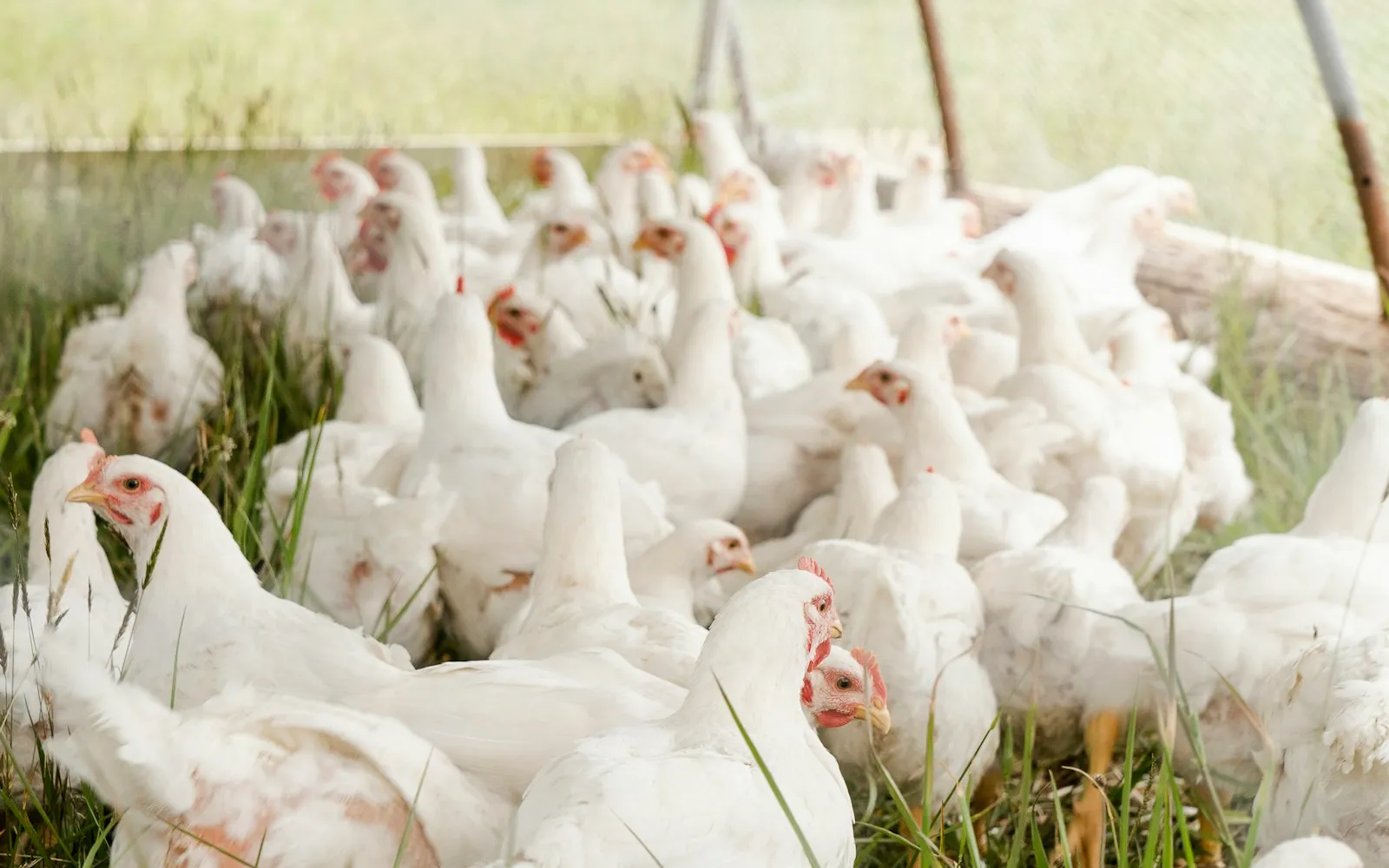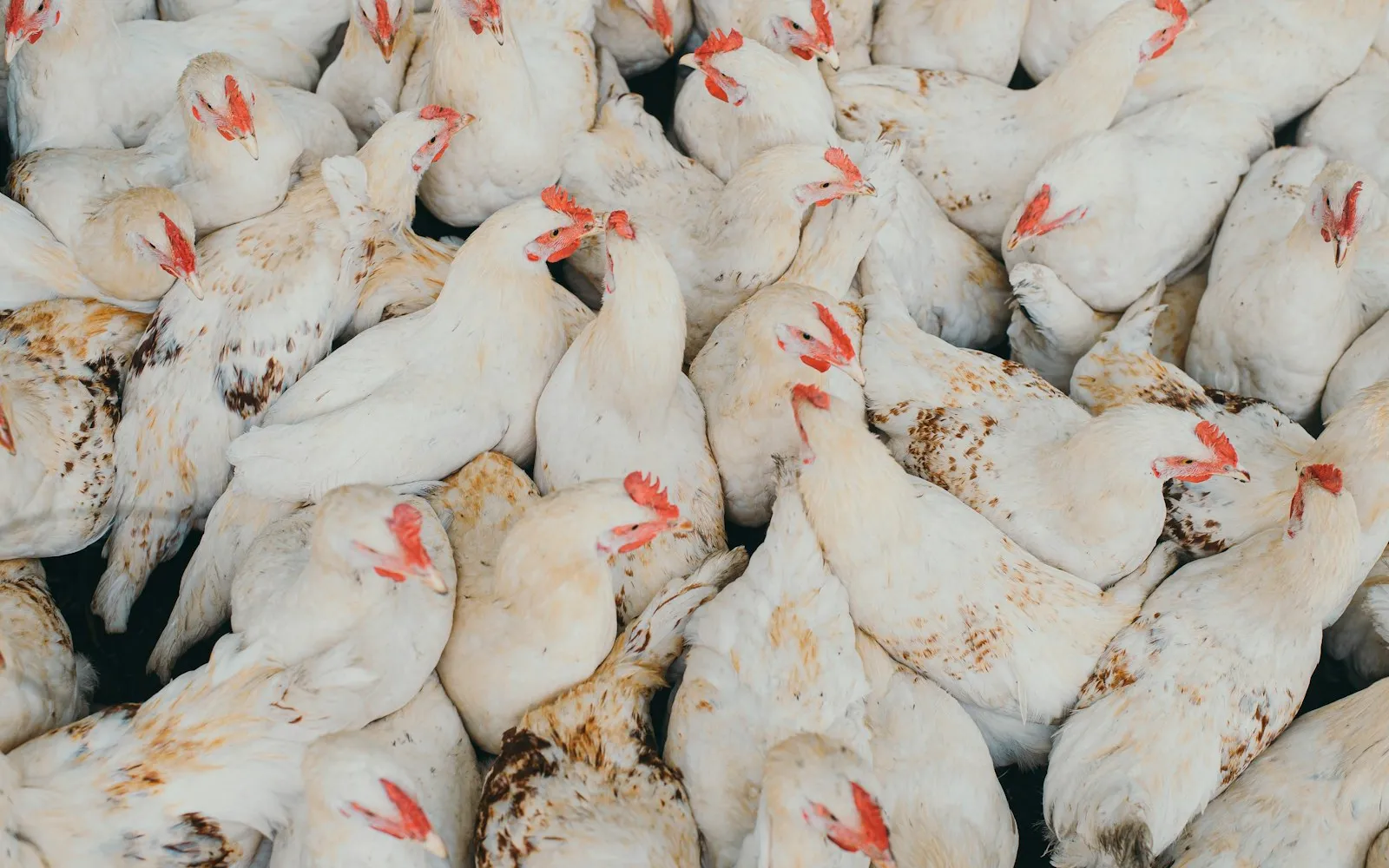
Respiratory signs in poultry deserve attention. Good environmental management and timely veterinary assessment are important first steps.
Observe, do not self-diagnose
Breathing changes can have different causes. Record what you observe and consult a qualified veterinarian to identify the appropriate response.
Review air quality
Ventilation, dust, humidity and ammonia levels can influence respiratory comfort. Regularly review housing conditions and flock behaviour.
Good flock management starts with observation, consistent records and timely professional guidance.
Support within a care plan
Respiratory-support products may be used as directed by their labels and a veterinarian, alongside a suitable flock management plan.
Key Takeaways
- Seek professional assessment for respiratory signs.
- Pay attention to ventilation and air quality.
- Follow product labeling for supportive care.